
 gregorianka.belynichi@gmail.com
Guide
Articles on Gregorian Masses, prayer for the dead, the remembrance of the dead and requesting Mass intentions.
Birthday Mass intentions – examples for a birthday, a name day and a first birthday
A birthday or a name day is a good opportunity to commend someone you love to God at Holy Mass – from a child's first birthday to a grandfather's ninetieth. We have gathered ready…
A Mass for a lost baby – miscarriage, stillbirth, a child who died before birth
Losing a baby before birth or shortly after it is a grief that is often hard to put into words. The Church does not leave parents alone: she prays for their children and encourage…
A Mass intention for conversion, for someone with an addiction and in a difficult matter – how to word it
When someone close to you has drifted away from God, is struggling with an addiction, or there is conflict in the family, Holy Mass can be the quietest and most persevering form o…
Prayer for deceased parents, a husband, a wife, a child – texts of prayers
When a mother, a father, a husband or wife, or a child dies, words for prayer are often hard to find. We have gathered the ancient liturgical prayer for deceased parents and short…
Prayers for the holy souls in purgatory – chaplet, St Gertrude prayer, litany
A practical prayer book for the dead: the full texts of the “Eternal rest” and Psalm 130, how to pray the chaplet for the dead, the prayer attributed to St Gertrude with an honest…
Wedding anniversary Mass intentions – 25th, 40th and 50th anniversaries: examples
A silver, ruby or golden wedding anniversary is a time to thank God for the years shared together. Here are ready-made intentions for each wedding anniversary – from the first to …
Are Gregorian Masses a dogma, an indulgence or an obligation?
Many misunderstandings have grown up around Gregorian Masses: some regard them as a truth of faith, others as an indulgence or a “sure way” of getting a soul out of purgatory. We …
A collective Mass and a Mass for one intention – what is the difference?
Notices of “collective” Masses for many intentions are becoming more common. We explain how they differ from a Mass for one intention, what the 1991 decree “Mos iugiter” and the n…
Do you need to attend Gregorian Masses?
Families who request Gregorian Masses often ask whether they have to come to church for thirty days. We explain what the Church says about this and suggest how to accompany the de…
Mass for the sick and for healing – how to request it and word the intention
When someone close is ill, waiting for an operation or slowly regaining their strength, many believers request Holy Mass for them. We suggest how to write such an intention, which…
Mass of thanksgiving – for what intention and how to request it
A wedding anniversary, a milestone birthday, the birth of a child, passing exams or a return to health – these are good occasions to thank God in Holy Mass. We suggest how to word…
Prayer for the dead in the Bible and the tradition of the Church
How does the Church know that it is right and worthwhile to pray for the dead? We quote 2 Maccabees 12, the witness of Tertullian, St Cyril, St Augustine and St John Chrysostom, a…
Who can request a Mass, and for whom?
Can someone from outside the parish request a Mass? Can you request a Mass for yourself, for someone who is not Catholic, or without giving your own name? We answer on the basis o…
All Souls' Day – prayer and Masses for the dead
The Solemnity of All Saints and All Souls' Day open November – the month in which the Church prays for the dead in a special way. We explain how 1 and 2 November differ, how to re…
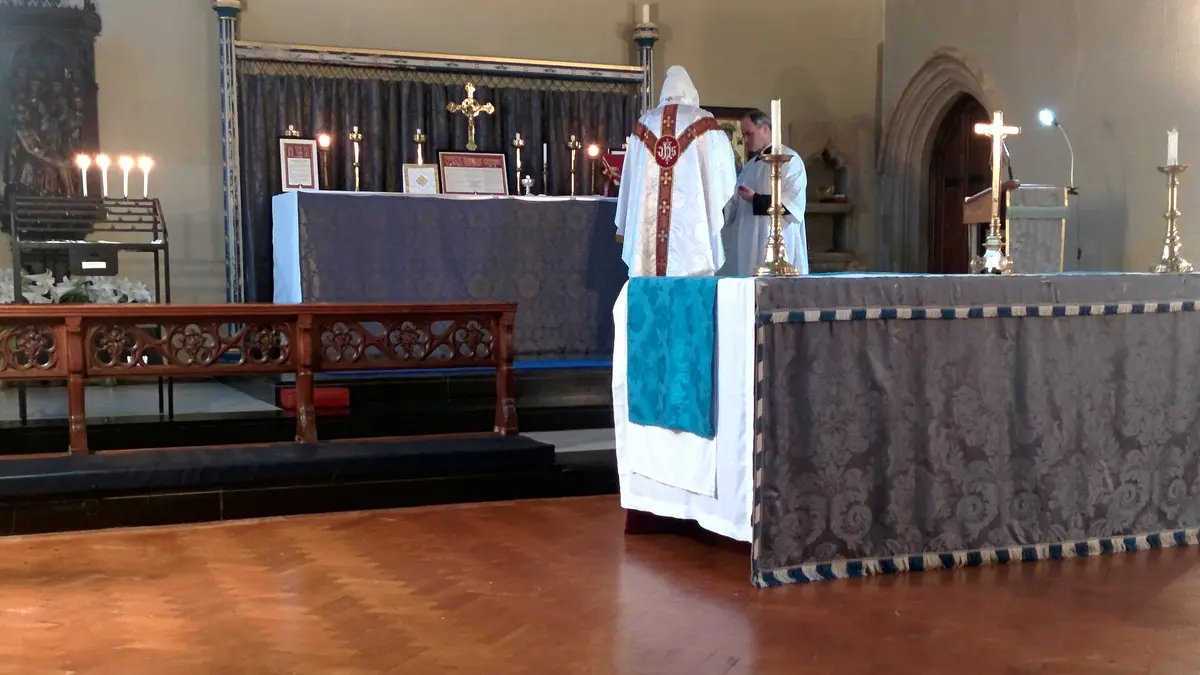
Anniversary Mass for the dead – how to request the intention
The anniversary of a loved one's death, birthday or name day is a good day to entrust them to God at the altar. We explain what the liturgical norms say, how to request the Mass a…
Gregorian Masses or a novena – what is the difference?
Gregorian Masses are thirty Masses for one deceased person; a novena is nine Masses for the dead or the living. We compare them with a single Mass, Masses to the Heavenly Court an…
How to word a Mass intention
A good Mass intention is short, includes the person's full name and says clearly what we are asking for. We give the rules and ready-made examples of intentions for the dead and f…
Mass intentions in the Code of Canon Law – cann. 945–958
The Code of Canon Law devotes fourteen canons (945–958) to Mass intentions and offerings. We go through them in order – from the principle “one offering, one Mass”, through concel…
Masses after a funeral – the 7th day, the Month's Mind and further intentions
After a funeral many families ask which Masses to request next, and when. We explain what the funeral Mass is, where the custom of Masses on the 7th and 30th day after death comes…
Must Gregorian Masses be celebrated in one church?
The thirty Masses for one deceased person need not be celebrated in the same church, at the same altar or by the same priest. We explain what really matters – the daily rhythm, th…
Can Gregorian Masses Be Interrupted?
Gregorian Masses are thirty Masses on thirty consecutive days. But what happens if the priest falls ill, there is a funeral in the parish or the Easter Triduum falls within the se…
Prayer for the Dead in the Catholic Church
Catholics pray for the dead because they believe in the resurrection and in the communion of saints. We explain where this practice comes from, what forms it takes – from Holy Mas…
When Should Gregorian Masses Be Requested?
“Do Gregorian Masses have to begin immediately after death?” “Can they be requested years later?” These are frequent questions from grieving families. We answer in line with the C…
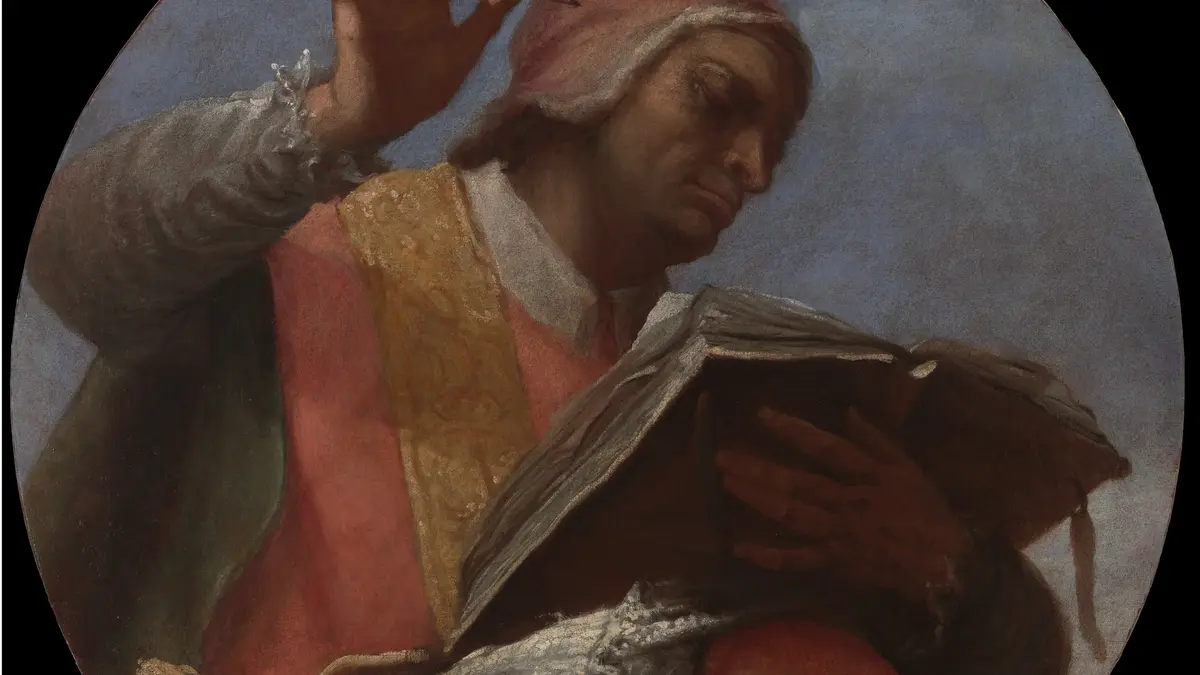
The History of Gregorian Masses
The custom of offering thirty Masses for one deceased person is more than fourteen centuries old. Here we tell what St Gregory the Great actually wrote about the monk Justus, how …
Mass for the Dead – Its Meaning and How to Request One
Holy Mass is the first and greatest gift the Church offers for the dead. We explain what the Catechism says about it, which Masses can be requested, when to do so and how to word …
Plenary Indulgence for the Dead, 1–8 November, and All Souls' Day – How to Help Your Loved Ones
November is a month of special remembrance of the dead. In the first days of November the Church gives the faithful the opportunity to gain a plenary indulgence for the dead – in …
Purgatory in the Teaching of the Catholic Church
In the Church's teaching, purgatory is the final purification of those who have died in God's friendship and are already assured of salvation. Drawing on the Catechism (CCC 1030–1…
Tricenario Gregoriano (1967) – the rules on the continuity of Gregorian Masses
The declaration of the Congregation of the Council of 24 February 1967 is the Church's basic document on interruptions in Gregorian Masses. We give its full text in English and in…
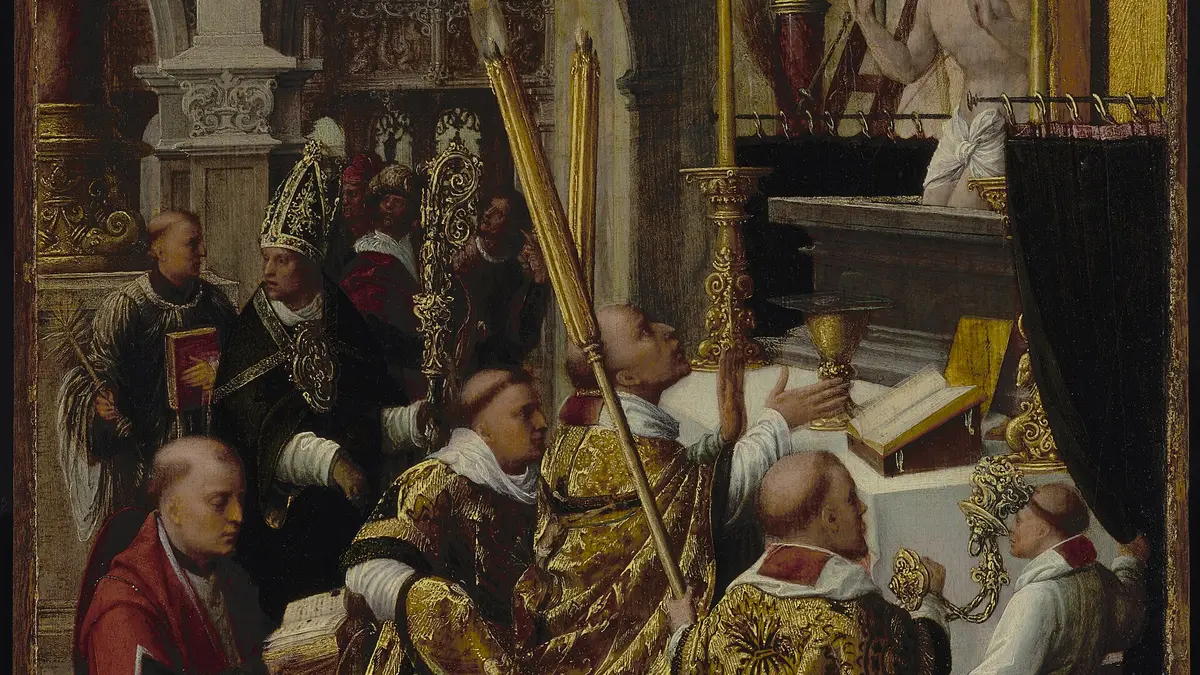
What Are Gregorian Masses?
Gregorian Masses are thirty Holy Masses celebrated day after day for one deceased person. We explain where the practice comes from, why there are exactly thirty Masses, what it lo…
Who Can Gregorian Masses Be Offered For?
Gregorian Masses are always offered for one deceased person – regardless of when they died or what their faith was. We explain why they are not requested for two people or for the…
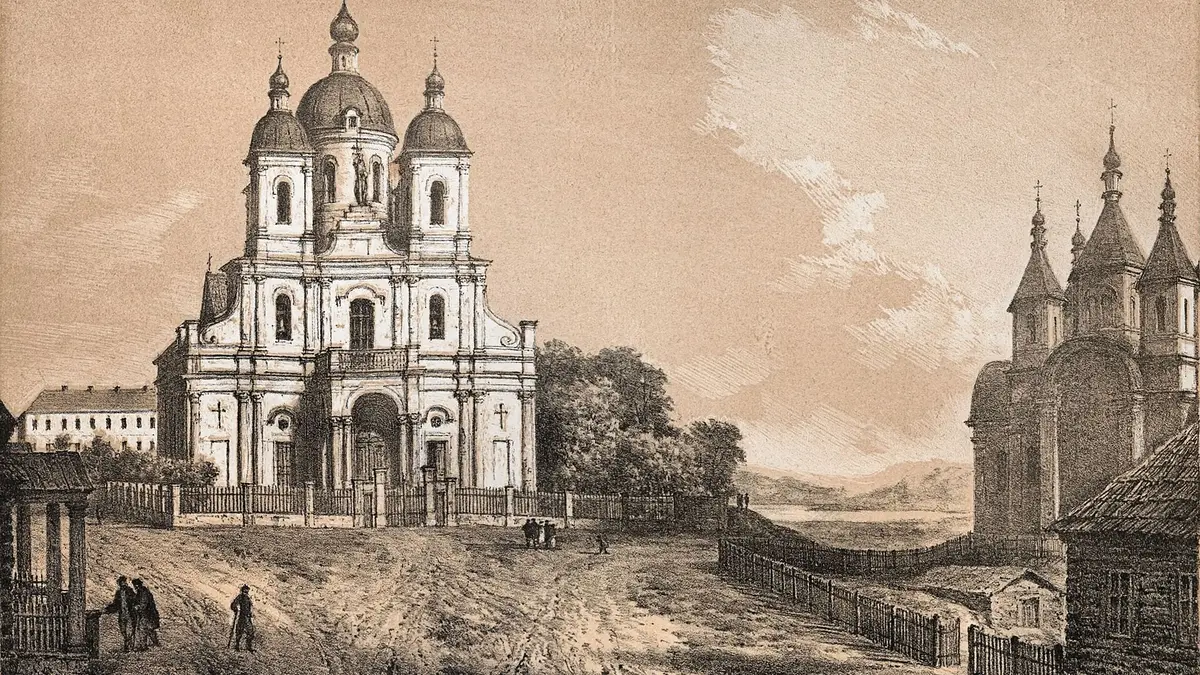
The Shrine of Our Lady of Białynicze
For centuries Białynicze on the River Drut was one of the most important Marian shrines of the Polish–Lithuanian Commonwealth, known as the “Częstochowa of Belarus”. The Carmelite church with the miraculous image of Our Lady, crowned in 1761, was destroyed in Soviet times.
Today the parish is rebuilding the shrine, and every Mass requested here supports this work.
History of the shrine →Request a Holy Mass
Leave your contact details and intention – we will reply by e-mail with a proposed date.
Thank you! We have received your request and will reply shortly to the e-mail address you gave.