
 gregorianka.belynichi@gmail.com
When Should Gregorian Masses Be Requested?
“Do Gregorian Masses have to begin immediately after death?” “Can they be requested years later?” These are frequent questions from grieving families. We answer in line with the Church's norms and suggest how to plan the date.
The short answer
Gregorian Masses can be requested at any time after death – immediately after someone has died, before or after the funeral, on an anniversary, or even many years later. The Church's norms set no deadline by which the thirty Masses must begin. There is only one condition: the person for whom we offer the Gregorian Masses has already died. What exactly this prayer is, we explain in the article What are Gregorian Masses?
Immediately after death
Many families wish to begin the Gregorian Masses as soon as possible – an expression of care for the deceased and of accompanying them in prayer from the very first days. There is no need to wait for the funeral: the series can begin before it or on the day of the funeral. In practice the date depends on the priest's free Masses, so it is worth giving the intention straight away, even if not all the funeral arrangements have been made. Gregorian Masses do not clash with the funeral Mass or with Masses the family requests in the parish of the deceased, for example on the thirtieth day after death – the two can easily be combined.
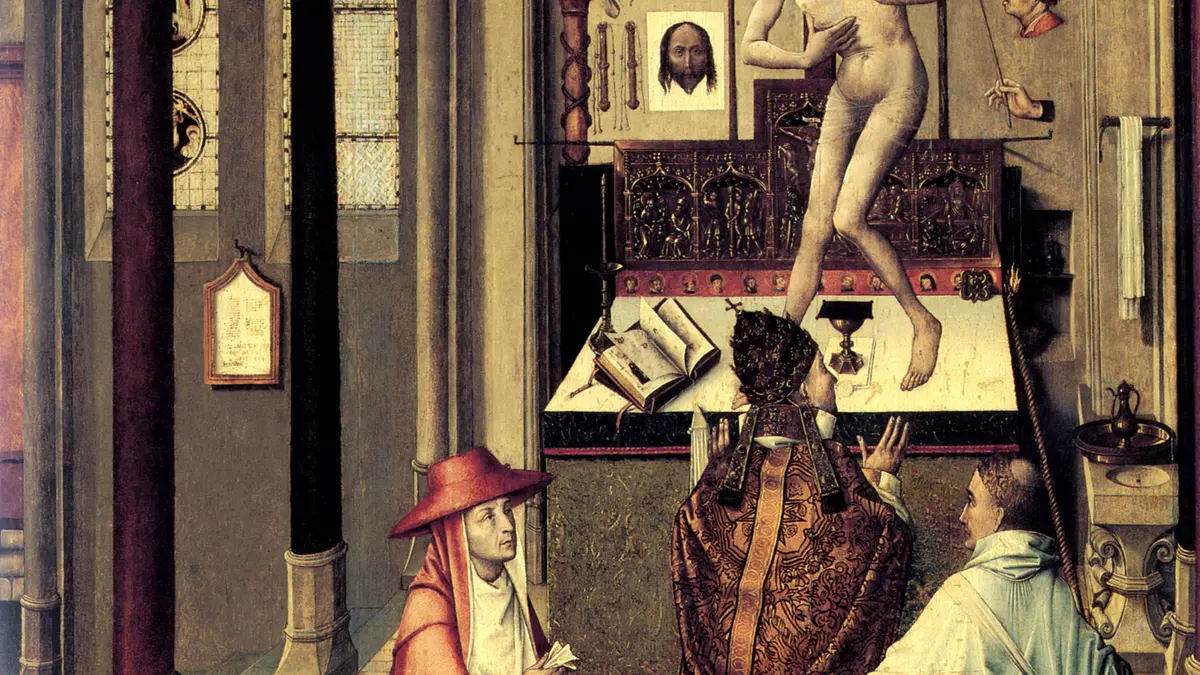
Haste, however, is not a requirement. In the story from which the custom comes, St Gregory the Great ordered thirty Masses to be celebrated for the deceased monk Justus only about a month after his death – he described this in Book IV of his Dialogues.
On the anniversary of death
Gregorian Masses can also be a way of living through the first or a later anniversary. The series can be arranged so that it begins on the anniversary, or so that it ends on it – in which case the first Mass falls 29 days earlier. Simply mention this when you give the intention; if the chosen date is already taken, we will propose the nearest possible one. Some families also choose other dates that are important to them: the name day of the deceased, their parents' wedding anniversary or the anniversary of baptism.
Years later
It is never too late. Many people request Gregorian Masses for parents or grandparents who died long ago – for example, when they themselves have grown ready for such prayer or have found their way back to faith. We do not know how the purification of the soul after death takes place, and prayer for the dead is always an act of love. Nor does it matter what faith the deceased professed or in what circumstances they died – we describe the details in the article who Gregorian Masses can be requested for.
November, Lent and other times of the year
A particularly large number of intentions for the dead come in November, when the Church commemorates all the faithful departed. At this time an indulgence can also be gained for the dead – we write about this on the page indulgence for the dead in November. If a particular date in this period matters to you, give the intention well in advance.
It is also worth bearing the Easter Triduum in mind. If the thirty days include Maundy Thursday, Good Friday and Holy Saturday, the series may be interrupted on those days, and the priest makes up the missing Masses immediately afterwards. The Church regards such a break as permissible – we explain this in the article can Gregorian Masses be interrupted?
Can Gregorian Masses be repeated?
Yes. Gregorian Masses can be requested more than once for the same person – for example, immediately after death and again on the anniversary. For several different people separate series are requested; they can be celebrated at the same time by different priests.
Principles worth remembering
- 30 Masses, day after day;
- always for one deceased person – not for several deceased people and not for the living;
- the Masses may be celebrated by different priests and at different altars;
- if an unforeseen impediment interrupts the series (e.g. the sudden illness of the priest), the missing Masses are celebrated as soon as possible until there are thirty (declaration of the Sacred Congregation of the Council of 24 February 1967).
For the living, other forms of prayer are requested, e.g. 30 Masses to the Heavenly Court or a novena for the living.
How to arrange the date in our parish
When you make your request (form, e-mail or WhatsApp), give the name of the deceased and – if you have one – your preferred start date. In our e-mail reply we will propose a date and the times of the Masses. The whole process is described in our guide how to request Gregorian Masses.
Sources
Questions and answers
Can Gregorian Masses be requested before the date of the funeral has been set?
Yes. The date of the funeral has no bearing on the start of the Gregorian Masses. The series can begin independently of it.
How far in advance should I give the intention if a particular date matters to me?
The earlier, the easier it is to reserve the chosen day – especially in November and before major feasts. We confirm the exact date in our e-mail reply.
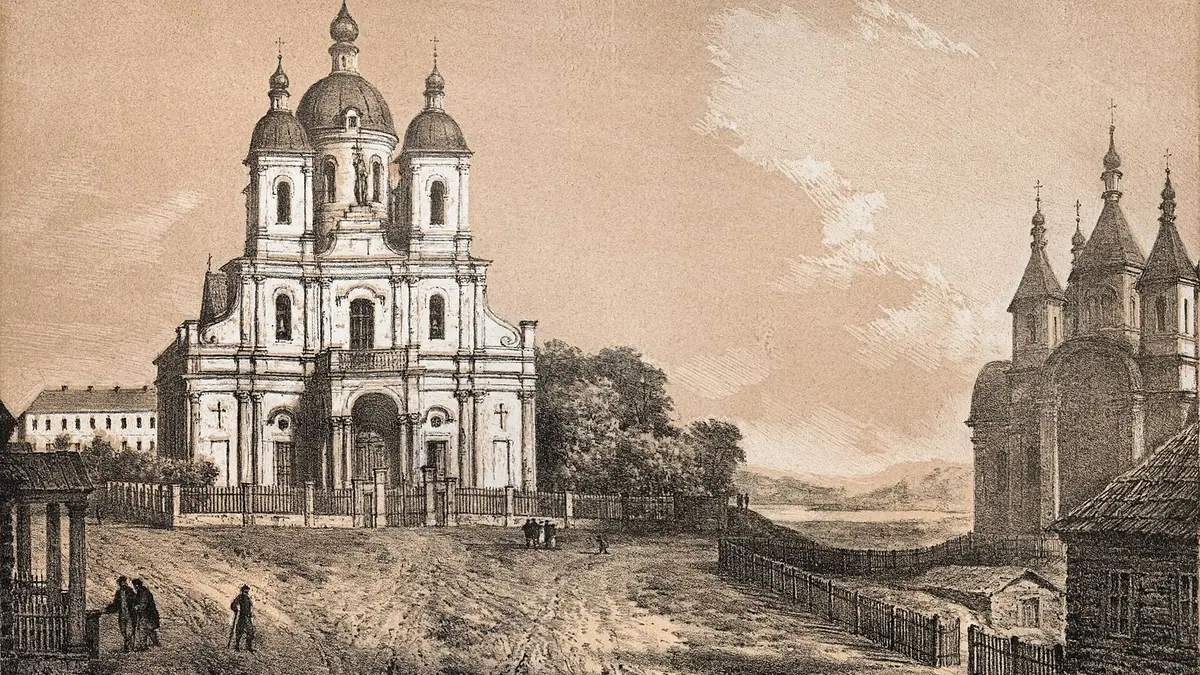
The Shrine of Our Lady of Białynicze
For centuries Białynicze on the Druts river was one of the most important Marian shrines of the old Polish–Lithuanian Commonwealth, known as the “Częstochowa of Belarus”. The Carmelite church with the miraculous image of Our Lady, crowned in 1761, was destroyed in Soviet times.
Today the parish is rebuilding the shrine, and every Mass requested here supports this work.
History of the shrine →Request a Holy Mass
Leave your contact details and intention – we will reply by e-mail with a proposed date.
Thank you! We have received your request and will reply shortly to the e-mail address you gave.