
 gregorianka.belynichi@gmail.com
The Priests Who Celebrate the Gregorian Masses
The Masses requested through gregorianka.com are celebrated by priests of the Archdiocese of Minsk–Mohilev in eastern Belarus. They serve small communities, so they have free dates and can take on the responsibility of thirty Masses day after day.
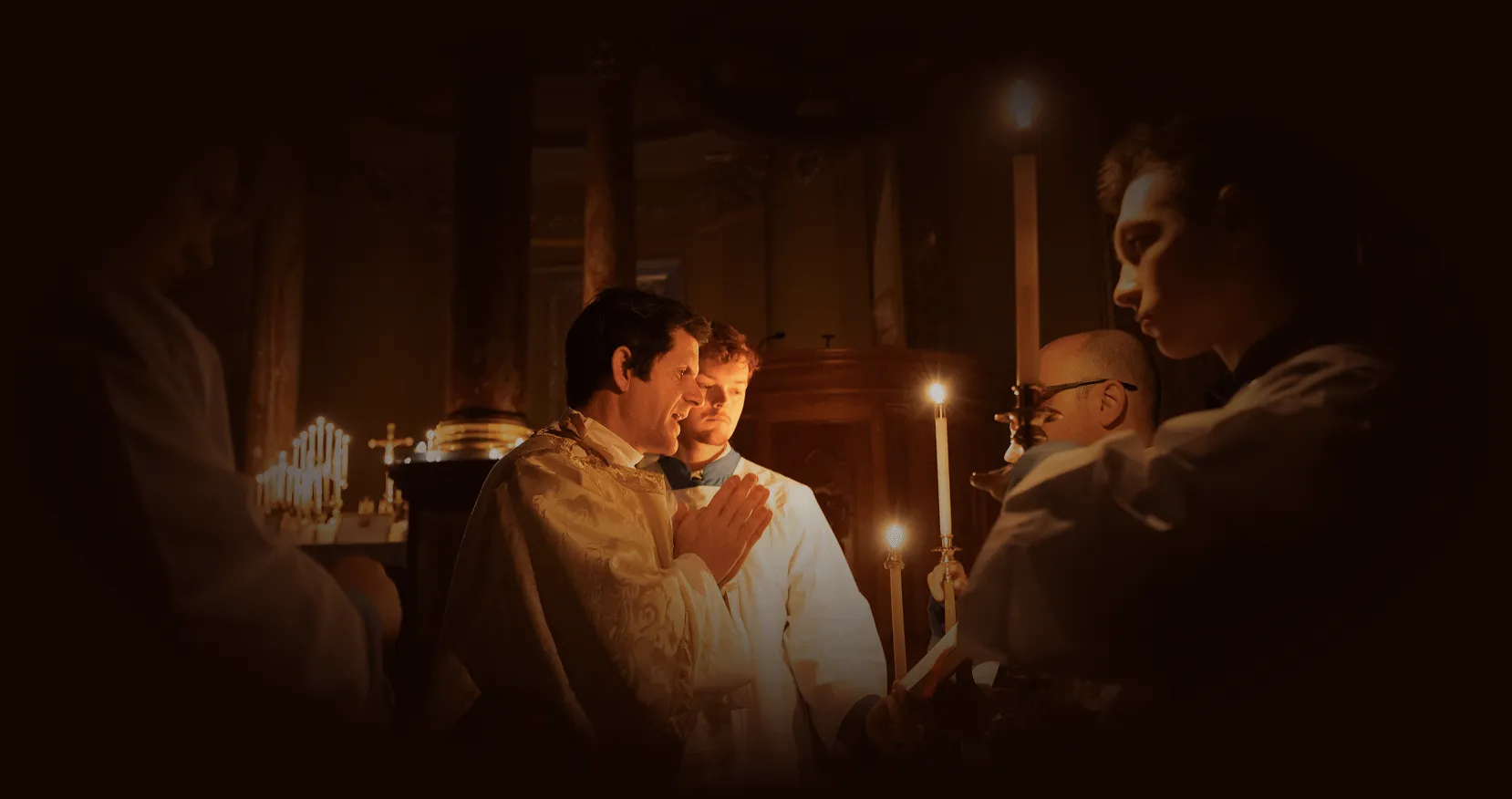
Anyone who requests a Holy Mass has the right to know who will celebrate it. That is why we introduce the priests who accept the intentions sent through gregorianka.com. They serve in Belarus, above all in its eastern part, where Catholic parishes are few and communities small. Below we give basic information about each of them; fuller biographies will be published in separate profiles once the priests provide them.
Fr Józef Sierpejka
Parish priest of the Parish of Our Lady of Białynicze – the parish that runs gregorianka.com. The parish is small in terms of the number of faithful, which allows the parish priest to take on the regular celebration of Gregorian Masses. It is in Białynicze that the requested Masses are celebrated first of all, and the offerings also support the rebuilding of the Shrine of Our Lady of Białynicze.
Fr Andrej Kieulicz
A priest of the Archdiocese of Minsk–Mohilev, pastor in Horki, Chavusy and Mstsislaw – towns in the Mogilev region where Catholic communities are scattered and few in number. Serving several places, he can accept intentions for which people in large parishes have to wait a long time.
Fr Alaksandr Famianych
Director of “Radio Maria Belarus”. He takes part in the initiative by celebrating Masses for the intentions requested.
Other priests
Other priests from eastern Belarus who are in a similar situation – with free dates for intentions – also take part in the initiative.
In accordance with the practice of the Church, Gregorian Masses need not be celebrated by the same priest or at the same altar. The condition is that thirty Masses are celebrated day after day for one deceased person. If continuity is broken by an unforeseen impediment that is not the priest's fault – illness, for example – the series keeps its value and the priest is obliged to complete it as soon as possible. This is laid down in the 1967 declaration “Tricenario Gregoriano”; we write more about it on the page can Gregorian Masses be interrupted?
Praying in unity with the priest
Many people who request Masses ask whether they can take part in some way in Masses celebrated far from home. Since we give the date and time of each Mass in the confirmation, you can unite yourself spiritually with the priest at that time – say a prayer for the deceased, a decade of the Rosary, or simply commend to God the person for whom the Eucharist is being offered. Those who are able to may also attend Mass in their own parish for the same intention.
The priest's responsibility
Taking on Gregorian Masses means that for thirty days the priest celebrates the Eucharist every day for this one intention – even while travelling or busy with other duties. That is why we propose the start date for Gregorian Masses individually. We always tell you who will celebrate the Masses and when in our e-mail reply, and then in the written confirmation, which contains the intention and the dates and times of each Mass. What this confirmation involves is described on the page confirmation of Gregorian Masses.
Would you like to entrust an intention to one of these priests? Check the available dates for Gregorian Masses or read how to request Gregorian Masses. More about the initiative itself can be found on the About us page.
Questions and answers
Do the priests celebrate Mass in English?
The language of the liturgy depends on the parish. It makes no difference to the validity and value of the Mass – the intention is accepted in the wording you give.
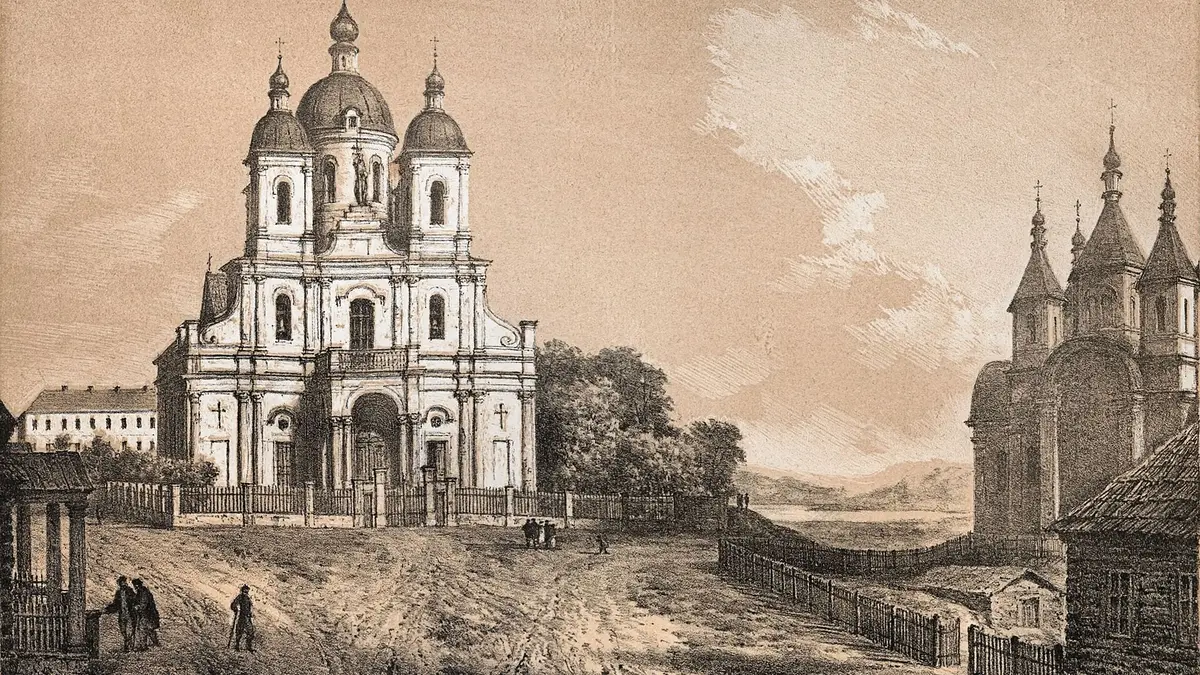
The Shrine of Our Lady of Białynicze
For centuries Białynicze on the Druts river was one of the most important Marian shrines of the old Polish–Lithuanian Commonwealth, known as the “Częstochowa of Belarus”. The Carmelite church with the miraculous image of Our Lady, crowned in 1761, was destroyed in Soviet times.
Today the parish is rebuilding the shrine, and every Mass requested here supports this work.
History of the shrine →Request a Holy Mass
Leave your contact details and intention – we will reply by e-mail with a proposed date.
Thank you! We have received your request and will reply shortly to the e-mail address you gave.