Parish of Our Lady of Białynicze gregorianka.belynichi@gmail.com

Gregorian Masses

Gregorianka.com offers the opportunity to have Gregorian Masses celebrated at short notice, as there are free dates in the parishes of the Mogilev region of our archdiocese. Write to us or call us to book your Mass intentions.

The intentions most often requested here are Gregorian Masses (30 Masses for one deceased person), novenas (9 Masses) and individual Mass intentions.

Request a Mass

Gregorian Masses in Białynicze

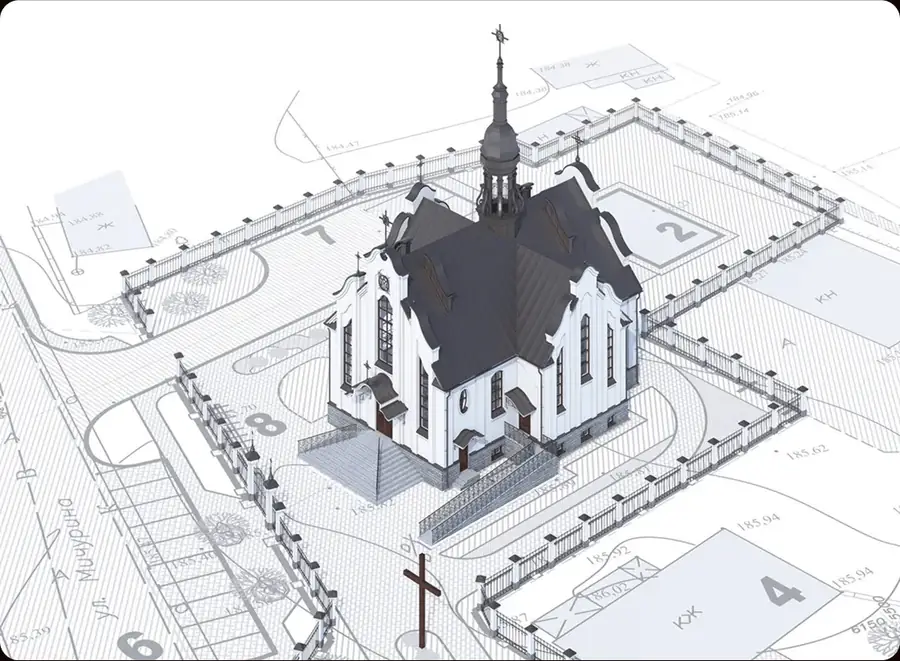
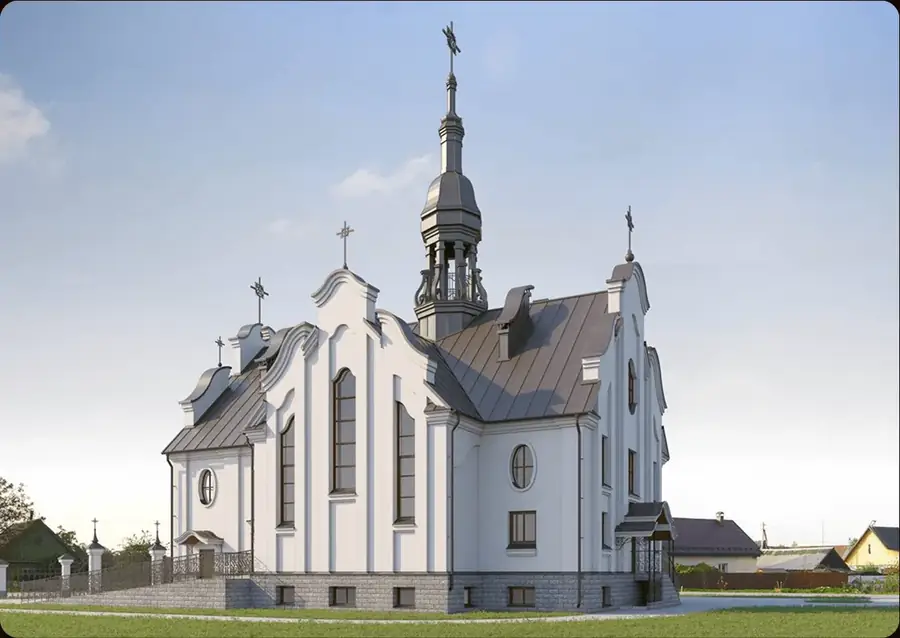
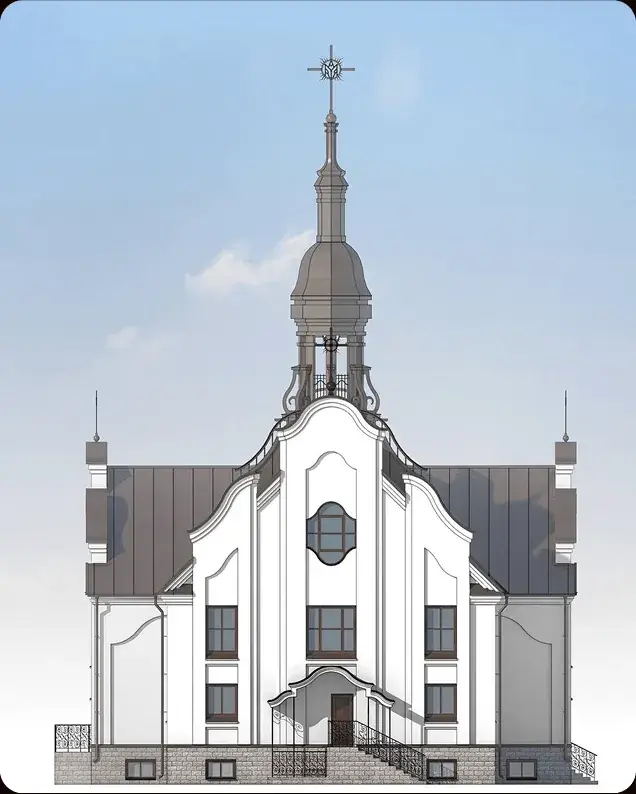
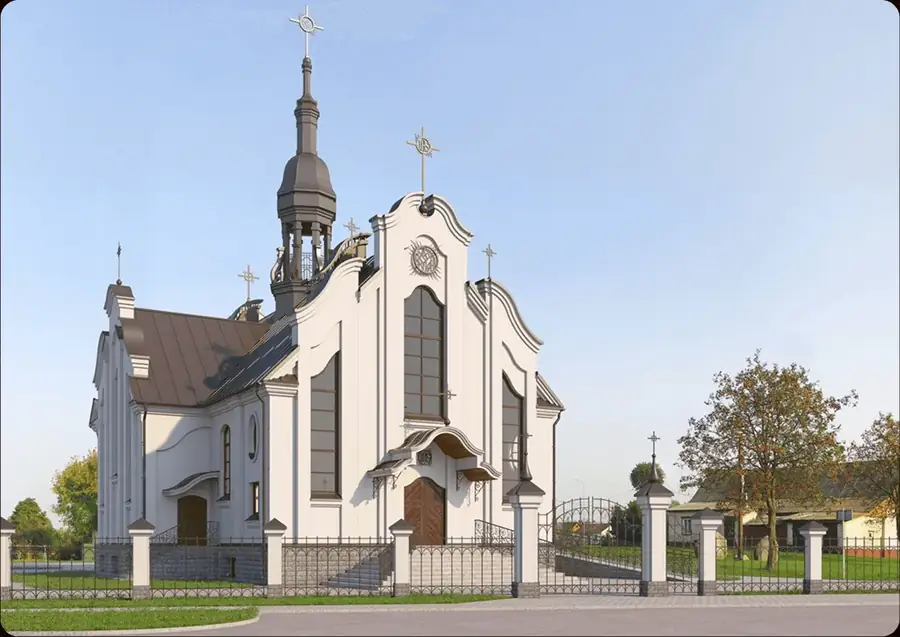
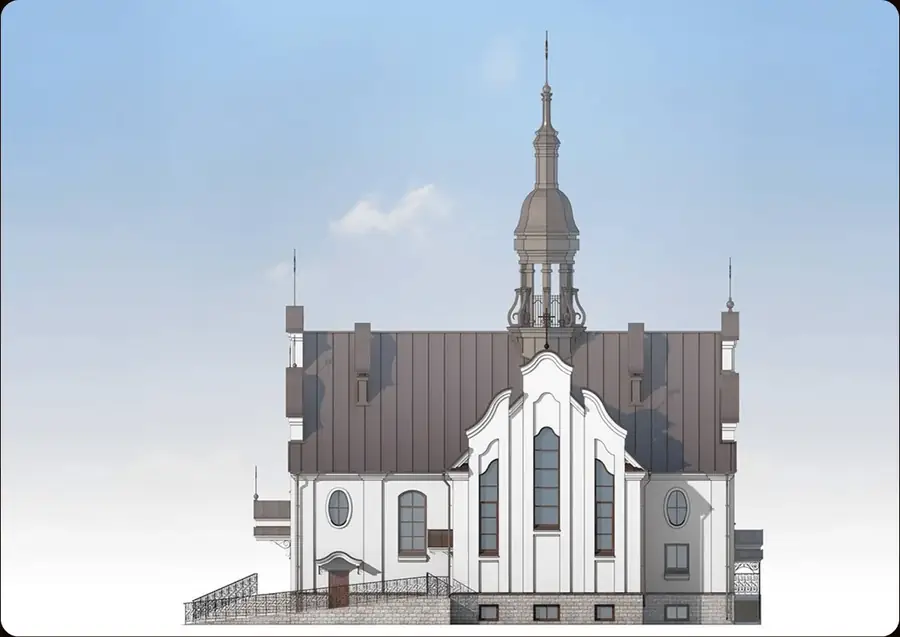
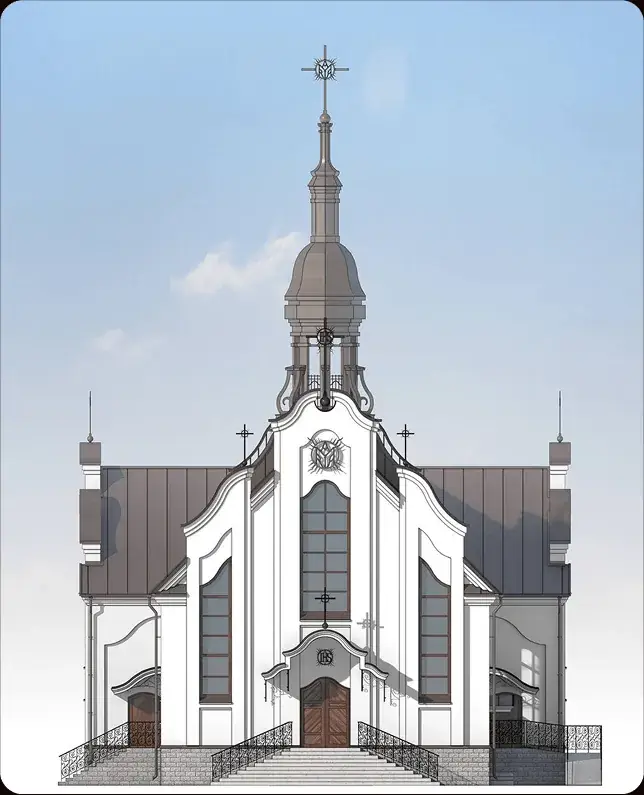
When you request Gregorian Masses in Białynicze, you become part of the parish's work to rebuild the Shrine of Our Lady of Białynicze.

Why Gregorian Masses?

Gregorian Masses (in Polish, the “gregorianka”) are a series of 30 Masses offered for one particular deceased person on 30 consecutive days, day after day. The Church's tradition regards them as a most effective way of helping a soul suffering in purgatory, freeing it from the temporal punishment due to sin.

Who celebrates these Masses?

Fr Józef Sierpejka

The parish priest of Our Lady of Białynicze serves a small community of the faithful, which allows him to take on this responsibility. Many priests in eastern Belarus who are in a similar situation and have free dates for intentions are also ready to celebrate such Masses.
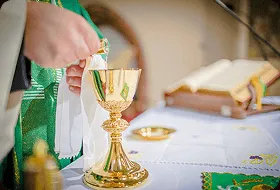
Request a Mass

Fr Andrej Kieulicz

Archdiocese of Minsk–Mohilev.
Pastor in Horki, Chavusy and Mstsislaw.

Request a Mass

Fr Alaksandr Famianych

Director of “Radio Maria Belarus”.

Request a Mass

You can also choose

Gregorian Masses – questions and answers

What are Gregorian Masses?
Gregorian Masses (in Polish often simply called the “gregorianka”) are thirty Holy Masses celebrated day after day for one deceased person.
Can Gregorian Masses be interrupted?
Gregorian Masses are celebrated day after day, without a break. According to the declaration of the Sacred Congregation of the Council of 24 February 1967, if the series is interrupted by an unforeseen impediment (for example, the sudden illness of the priest), it is not lost: the missing Masses are celebrated on the following days until the full number of thirty is reached. That is why priests who undertake Gregorian Masses set aside a daily Eucharist in their calendar for the whole period – even while travelling or on holiday. The Masses need not be celebrated by the same priest or at the same altar.
Where does the devotion of Gregorian Masses come from?
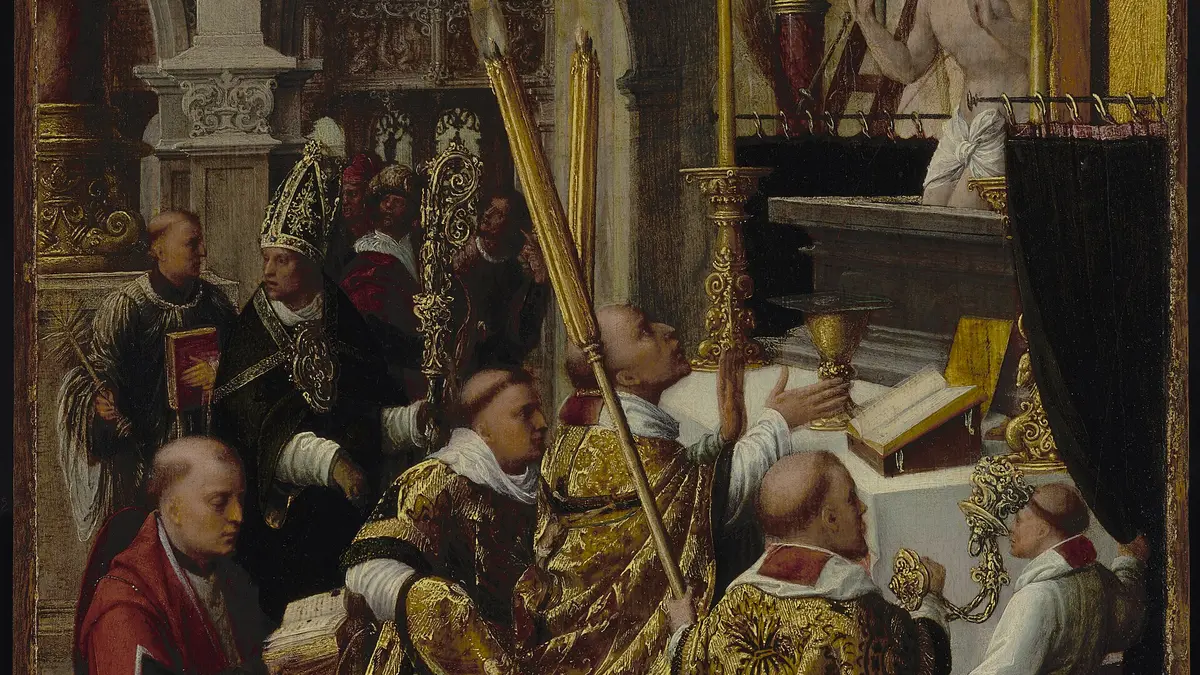
The custom of thirty Gregorian Masses was begun – as the name suggests – by Pope Saint Gregory the Great. He prayed in this way for a deceased Benedictine monk whom he knew well, and he recorded this practice in his work, the Dialogues.
Who was Pope Saint Gregory the Great?
Saint Gregory was born in Rome around the year 540 into a distinguished senatorial family. At the age of 32 he became prefect of the Eternal City; some time later he gave up the office and founded a monastery in his family palace. At about 40 he was ordained deacon by Pope Pelagius II, and then for seven years served as papal envoy at the imperial court in Constantinople. In 590 he was elected Pope.
During his pontificate the English were received into the Church, while the Lombards and the Spanish abandoned the Arian heresy. He showed particular care for the poor and those in need, devoting considerable Church resources to them. He wrote many theological works, the most famous of which – Moralia in Iob (Commentary on the Book of Job) – had an enormous influence on the whole of medieval theology. Some of his homilies are included in today's Breviary.
He died in Rome on 12 March 604 and was buried in St Peter's Basilica. He became renowned as the model of a pastor-pope and was called “the Great”. He is one of the four great Fathers of the Western Church and the patron of musicians, singers, choristers and church schools.
He was proclaimed a saint at the request of the faithful, who were convinced of his holiness. Fittingly, it was he who inspired the thirty-day Eucharistic prayer for the dead – a practice that for centuries has brought comfort and hope to the people of God.
Where are the Gregorian Masses celebrated?
When you request Masses through gregorianka.com, you take part in rebuilding the Shrine of Our Lady of Białynicze, because that is where they are celebrated first of all. In addition, priests from various parishes in eastern Belarus are glad to celebrate Gregorian Masses as well. Details of the parishes and priests can be found on gregorianka.com.
Will I receive confirmation that the Masses have been celebrated?
Yes. We send a proposed date and time for the Masses to the e-mail address you use to contact us. Then, no later than two days after your offering has reached the parish account, you will receive an official confirmation of the Gregorian Masses. It includes:
  • the intention you gave,
  • the date or dates,
  • the time at which each Mass is celebrated.
How much do Gregorian Masses “cost”?
First of all, it must be said clearly: Holy Mass has no price – it is priceless. The word “cost” is used only loosely. The proper term is a Mass offering (stipend): a voluntary gift made by the faithful.
The offering goes towards the support of the priest and also covers taxes, contributions and other necessary expenses. The amount is always voluntary and depends on your means and your wish to support the Church. After all, a priest also carries out many other ministries for which he receives no payment – such as hearing confessions, spiritual direction, leading parish communities, and administrative and practical work.
  • A Mass for an individual intention – the faithful make an offering for one Holy Mass.
  • 30 Gregorian Masses – because they are celebrated day after day, the faithful usually make an offering equal to thirty times the offering for a single Holy Mass.
How long do I have to wait for the Gregorian Masses to be celebrated?
Many priests from the eastern part of Belarus take part in the gregorianka.com initiative, so the waiting time is usually short. For exact information it is best to contact us directly.
Are Gregorian Masses an effective prayer?
The practice of thirty Gregorian Masses grows out of the deep faith of the people of God and their conviction of the power of the Eucharist.
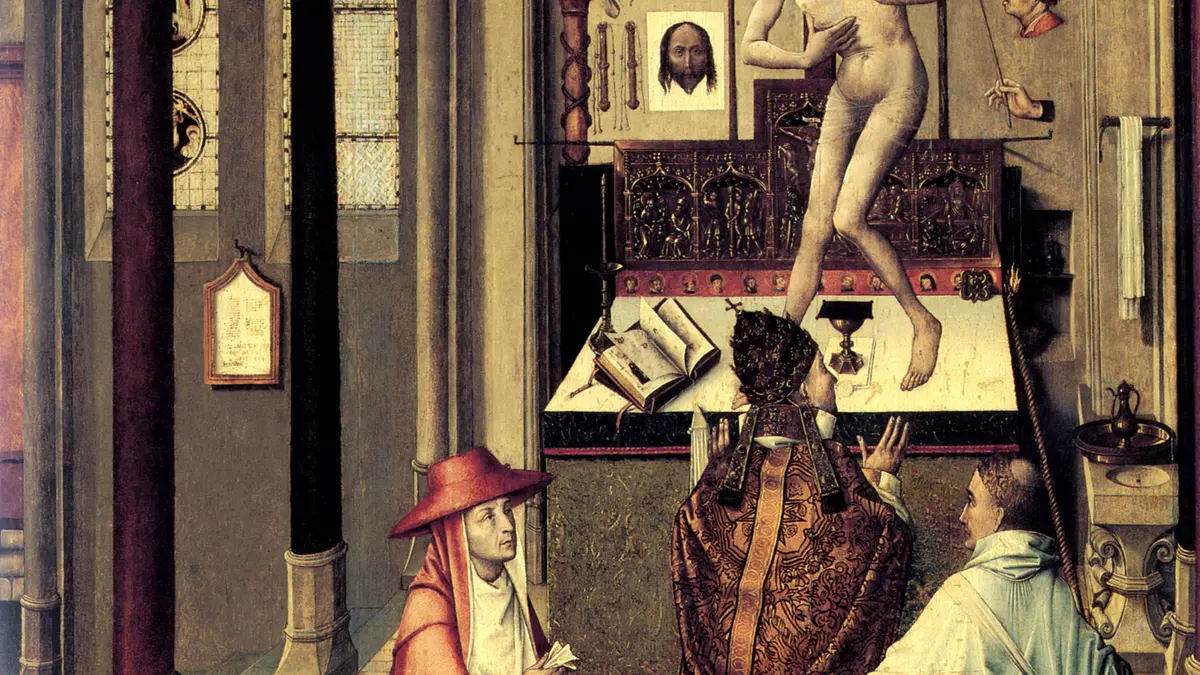
It began with a remarkable event: a deceased monk appeared to Pope Saint Gregory the Great in a dream, asking for thirty Masses to be celebrated day after day. When they had been completed, the monk appeared again, giving thanks for the mercy and deliverance he had received.
The testimonies of the faithful confirm the fruitfulness of this practice today as well. In the shrine in Białynicze hang many votive offerings given in thanksgiving for graces received. For example, a couple of doctors requested thirty Masses “to the Heavenly Court”, asking that at the hour of death they would not turn away from God. Both had fallen gravely ill, and the doctors gave them no chance of survival. They received the sacrament of the anointing of the sick and the sacrament of confession, and also requested the series of thirty Masses. Contrary to the prognosis, they recovered and to this day praise God with their lives and their work.
The faithful also bear witness to the inner peace concerning their departed loved ones that comes after the thirty Gregorian Masses have been completed.
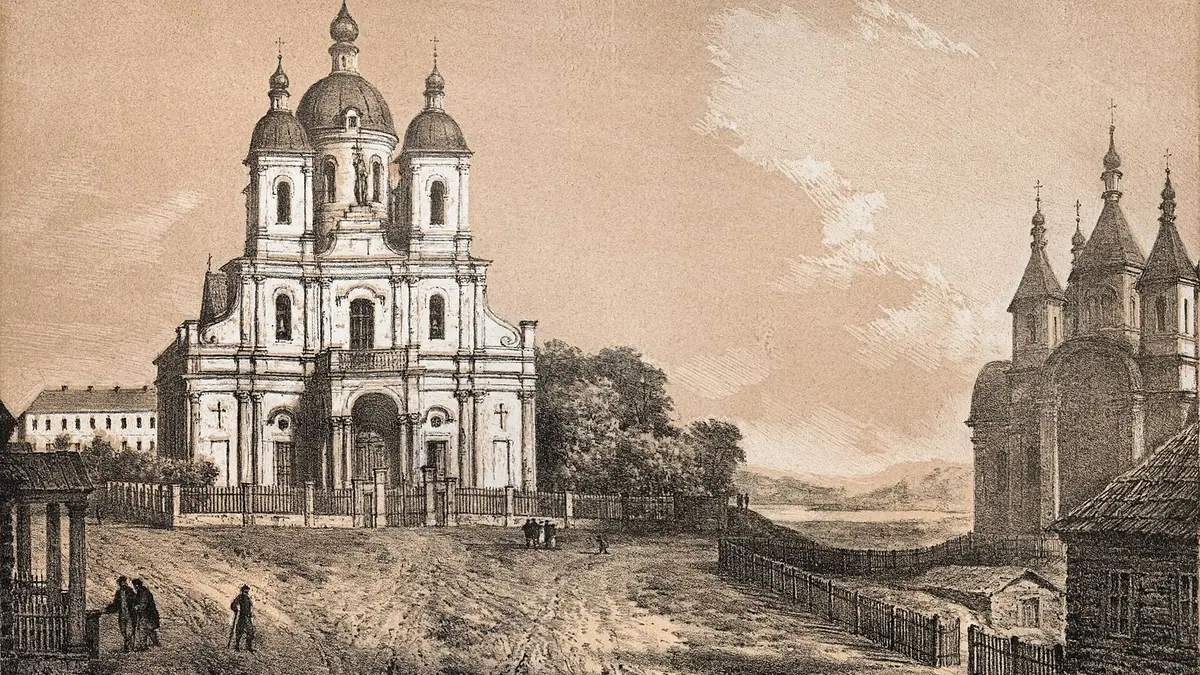
The former Carmelite church in Białynicze, drawing by Napoleon Orda
Napoleon Orda, Białynicze (1877), public domain · Wikimedia Commons

The Shrine of Our Lady of Białynicze

For centuries Białynicze on the Druts river was one of the most important Marian shrines of the old Polish–Lithuanian Commonwealth, known as the “Częstochowa of Belarus”. The Carmelite church with the miraculous image of Our Lady, crowned in 1761, was destroyed in Soviet times.

Today the parish is rebuilding the shrine, and every Mass requested here supports this work.

History of the shrine →

Request a Holy Mass

Leave your contact details and intention – we will reply by e-mail with a proposed date.

Request a Holy Mass

Leave your contact details and intention – we will reply by e-mail with a proposed date.