
 gregorianka.belynichi@gmail.com
Available Dates for Gregorian Masses
We do not publish a calendar of free dates – it changes from day to day. We check the date for each request individually and give it in our e-mail reply. Here we explain where free dates come from and how to have the Masses begin sooner.
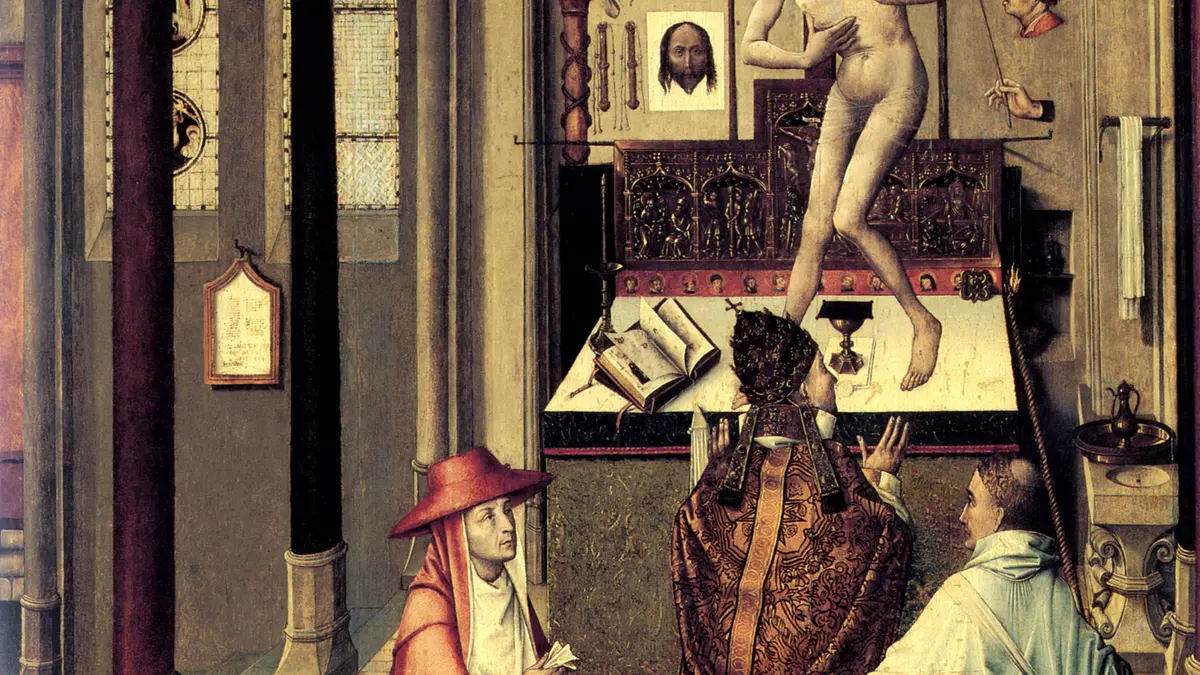
Why there is no calendar of dates here
Gregorian Masses take up one of a priest's Masses every day for thirty consecutive days. During that time he cannot accept another intention for those Masses. Every new request therefore changes the plan for a whole month ahead – for one priest or for several. A calendar published on the website would be out of date before anyone could use it, and we do not want to promise dates that we then cannot keep.
That is why we check the date for each request individually and give it in our e-mail reply – together with the times of the Masses.
Where free dates come from
In large parishes and shrines people often have to wait weeks for Gregorian Masses to begin, because there are more requests than free Masses.
In eastern Belarus the situation is different. The Catholic communities here are small and few intentions are requested. The priests celebrate Mass every day, but often have no intention requested for it. The Masses accepted through gregorianka.com are celebrated first of all in the Parish of Our Lady of Białynicze, and also by priests of other parishes in the region – see our priests. As a result, the series can usually begin without a long wait.
How to have the Masses begin sooner or request a particular date
- Tell us what matters to you. In the comments field of the form write “as soon as possible” or a particular start date – e.g. the day of the funeral, the anniversary of death, 2 November.
- Give your e-mail address – we send our reply with the date by e-mail, so this is the quickest way.
- Reply to our message without delay. The final dates and times are fixed once the offering has been received and are given in the confirmation.
If the date you request is already taken, we will propose the nearest possible one. It is also worth remembering that the Church sets no deadline by which Gregorian Masses must begin – they can be requested straight after death, after the funeral or years later. We write about this in when to request Gregorian Masses.
What the schedule of thirty Masses looks like
The series consists of thirty Masses on thirty consecutive days – one each day, for one deceased person. In the confirmation we give the date and time of each Mass, so that you can unite yourself with them in prayer.
- The Masses may be celebrated by different priests and at different altars – what matters is continuity.
- A break is permitted during the Easter Triduum – on Good Friday and Holy Saturday the Church does not celebrate Holy Mass. If the series falls over Easter, we take this into account in the schedule.
- If the series is interrupted by an unforeseen impediment, such as the sudden illness of the priest, the missing Masses are made up as soon as possible. This is laid down in the 1967 declaration discussed on the page can Gregorian Masses be interrupted?
Does an earlier date give “more”? No. The value of Holy Mass does not depend on the date or on the place where it is celebrated. Before making a request, you can read what Gregorian Masses are and how a request works step by step. When everything is clear – request Gregorian Masses or use the form below. The other forms of prayer for the dead are described on the home page.
Sources
Questions and answers
Can I change the date after receiving the confirmation?
Can the Gregorian Masses end on a particular day, e.g. the anniversary of death?
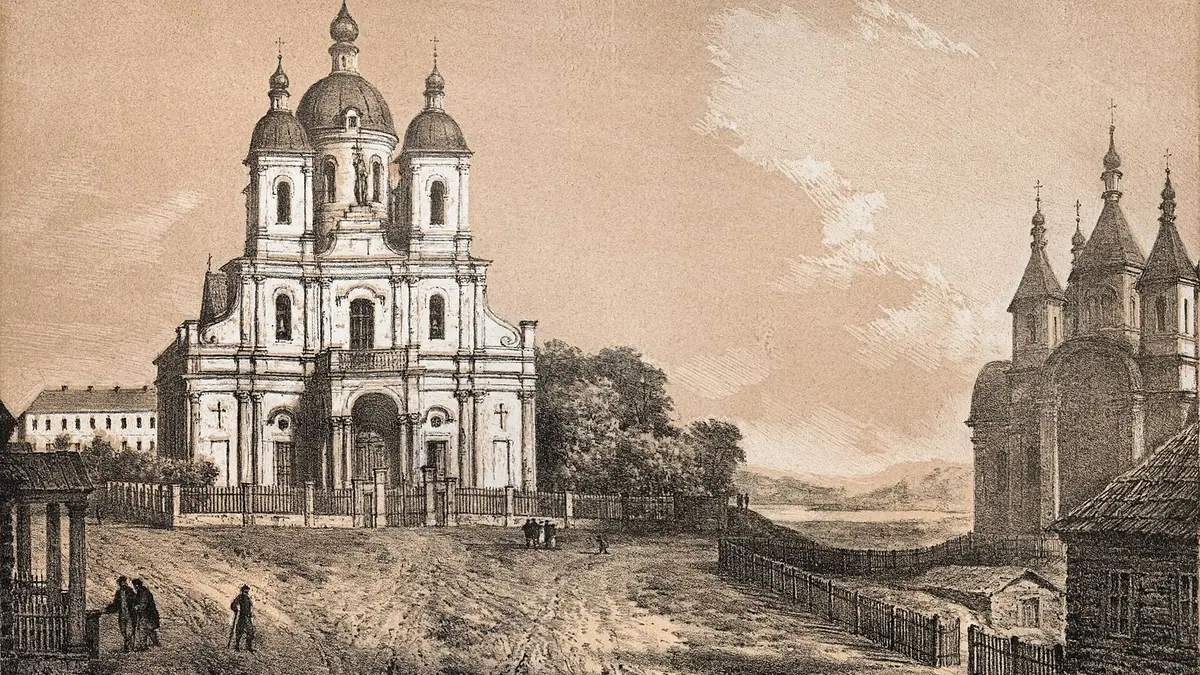
The Shrine of Our Lady of Białynicze
For centuries Białynicze on the Druts river was one of the most important Marian shrines of the old Polish–Lithuanian Commonwealth, known as the “Częstochowa of Belarus”. The Carmelite church with the miraculous image of Our Lady, crowned in 1761, was destroyed in Soviet times.
Today the parish is rebuilding the shrine, and every Mass requested here supports this work.
History of the shrine →Request a Holy Mass
Leave your contact details and intention – we will reply by e-mail with a proposed date.
Thank you! We have received your request and will reply shortly to the e-mail address you gave.